Walmart Apple Pay rollout: Local business checklist for tap-to-pay
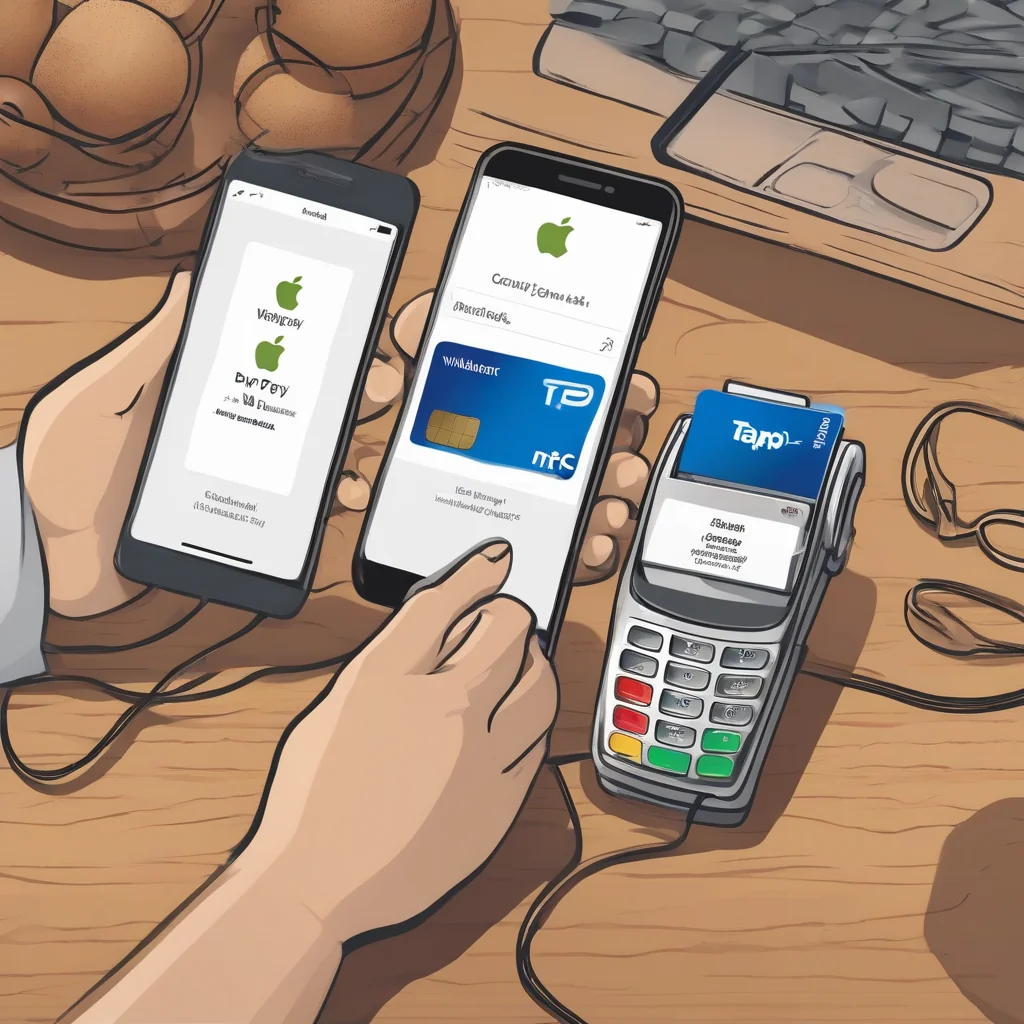
Walmart to accept Apple Pay, Google Pay, practical steps for local businesses (walmart apple)
Update your point-of-sale for NFC contactless payments this week. Prioritize lane upgrades and update your Google Business Profile this week. Walmart will accept Apple Pay and Google Pay, and that change will affect customer expectations for tap-to-pay at physical stores. Walmart will accept Apple Pay and Google Pay, enabling tap-to-pay contactless transactions at select Walmart and Sam’s Club stores initially. Walmart plans to expand tap-to-pay to all locations by the end of the year, according to its announcement.
Update your point-of-sale for NFC contactless payments this week.
What’s changing at Walmart and Sam’s Club (walmart apple)
Walmart’s announced change means customers can pay by tapping a smartphone or wearable instead of inserting a card or launching a retailer app. The retailer will allow tap-to-pay options at select Walmart and Sam’s Club stores. Walmart plans to roll out tap-to-pay to all locations by the end of the year, according to its announcement. NFC, Near Field Communication, is the short-range wireless technology that lets a phone or wearable talk to a payment terminal by touch. EMV, Europay-Mastercard-Visa, refers to the global standard for chip-card payments and the terminal rules that secure card-present transactions. Many terminals support EMV and also accept NFC tap-to-pay when firmware and settings are enabled. For small businesses and local marketers, this raises the baseline expectation. Shoppers who use phone wallets will compare your checkout speed to the big-box experience.
Rollout timeline and expectations
Walmart’s plan to reach all stores by the end of the year implies phased regional activation over months rather than a single-date switch. Expect customers to encounter some Walmart locations with tap-to-pay and others without during the rollout. This creates two operational pressures for local businesses. Local businesses must speed up tap-to-pay readiness so they do not lose conversions to competitors. They must also reflect payment options clearly in local ads and store listings to capture “near me” intent. Shoppers will look for the universal contactless symbol or stickers indicating “Apple Pay” or “Google Pay accepted” at terminals. These visible cues materially influence whether customers choose to enter a store for a quick purchase.
How to use Apple Pay and Google Pay at Walmart, and immediate actions for your business
Customers add a card to Apple Wallet or Google Pay. They hold the device to an NFC reader and authenticate with Face ID, Touch ID, a PIN, or device unlock. To prepare your store this week:
- Verify terminal readiness. Check each lane for the contactless symbol and confirm with your POS vendor whether the terminal supports NFC tap-to-pay and EMV contactless. Common terminal vendors include Verifone and Ingenico; ask about the specific firmware version required.
- Prioritize upgrades. If you need hardware or firmware updates, schedule installs for busiest lanes within 2-4 weeks. Start with express lanes, pickup counters, and payment islands.
- Update local listings and creative. Edit your Google Business Profile (fields: primary category, services, attributes, add “Accepts mobile payments”), add “Apple Pay” and “Google Pay” to business description, and pin a short post announcing contactless checkout.
- Refresh in-store signage. Use clear copy: “We accept Apple Pay and Google Pay, fast contactless checkout.” Recommended in-store image specs: 1200 × 675 px for Google Business Profile cover; 800 × 800 px for profile photos; PNG or JPEG, under 150 KB when possible. Alt text examples: “Contactless checkout, Apple Pay and Google Pay accepted at payment counter.”
- Quick checklist to verify terminal readiness: contactless symbol visible, firmware up-to-date, EMV/contactless enabled in merchant settings, staff trained on tap flow, and printed signage at register.
If a tap fails, try re-presenting the device closer to the reader. Ensure the phone screen is awake and fall back to a chip or contactless card if needed. If multiple failures occur, escalate to your processor for reader diagnostics.
What this means for the payments ecosystem
Walmart’s acceptance increases competition among wallets and reduces friction for mobile-first shoppers, likely raising expectations for checkout speed across retail. For local businesses, matching that convenience supports drive-to-store campaigns and reduces lost conversions from “near me” searches. In paid media, mention wallet acceptance in ad headlines and local extensions for higher relevance in search and social ads. The practical edge is simple. Enable NFC contactless payments and update your Google Business Profile and in-store signage. Prioritize upgrades where queues are longest to capture more walk-in customers.
Sources:
Related articles
-
 AI Visibility Audit Semrush: Practical Guide Learn to run an AI visibility audit with Semrush One: measure citations, identify gaps, and take steps to boost visibility. Read article
 -
 Comunicazione visiva 2026: what changes for brands that want to be noticed The phrase comunicazione visiva 2026 captures the need to plan visuals with strategic intent rather than rapid volume. Read article
 -
 Local marketing: linking programmatic DOOH to store sales Local marketing has shifted from flyers and signage to coordinated digital paths that end at a street-level door. Read article
 -
 Apple Maps ads and AI demos boost local visits and sales This article looks at Apple Maps ads and AI product demos and explains how small businesses can use both to drive visits and sales. Read article