Transforming Social Engagement into Bookings: A Practical Guide for Local Campaigns
Practical strategies to transform social engagement into bookings: optimized profiles, targeted content, retargeting, and ROI.
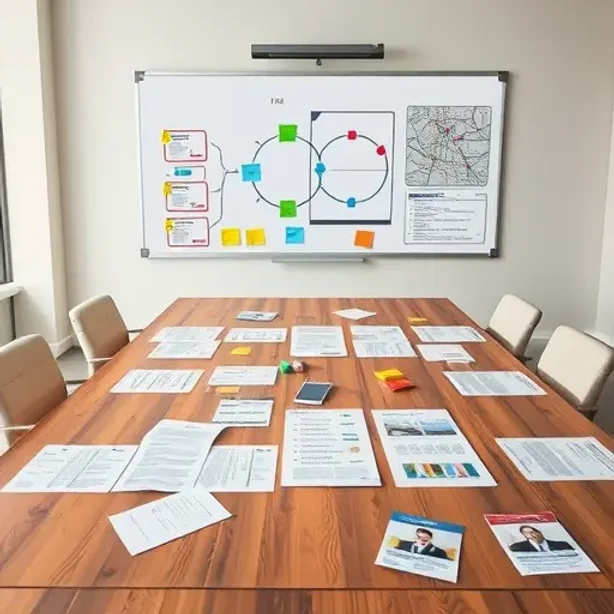
In this article we explore how to transform social engagement into bookings through multi-channel campaigns for SMEs. The goal is to shift focus from likes and followers to measurable actions such as bookings or concrete leads. The transformation requires a clear operational path that links interaction to real bookings.
Surface metrics like likes aren’t enough: they must be translated into concrete actions to see real results for local businesses.
1. Optimize social profiles for conversion
The initial setup should make booking easy: a bio with a link to the booking system and text that invites action. Profiles are often the first impression: making them conversion gateways is crucial.
Include in the bio key details, hours, contacts, and if possible, a direct booking button or link. Avoid frills: the path to booking must be clear.
Native platform features can be activated to signal availability for bookings. For example, contact or booking buttons make it possible to start a booking in just a few clicks.
Making the booking process easy reduces drop-offs: fewer steps, more conversions.
2. Create content that drives action
Content designed with a clear next step increases the likelihood of booking. Avoid purely recreational content: every post should have a CTA directing to the booking.
Show tangible results with testimonials, case studies, or client transformations, and include an explicit CTA to book or schedule a consultation call.
Use prompts and descriptions that guide step by step toward booking.
Social proof reduces inertia: detailed reviews and success stories increase trust in the service.
3. Respond to engagement with a booking intent
Every comment or DM is a booking opportunity: respond with targeted questions and a direct invitation to book. Do not close the conversation without defining the next step.
If a question requires a discussion, propose a short call or a video chat to dive deeper, with a link to the booking.
Proactively managing DMs reduces response times and improves the conversion rate.
4. Use social proof to build trust
Collect and share detailed testimonials that describe real results. Visual or video reviews have a greater impact than generic quotes.
Align reviews with the services offered and share them alongside relevant content to facilitate the decision to book.
Stories from real customers demonstrate the value of the service and reduce purchasing uncertainty.
5. Make the booking process frictionless
Implement an online booking system, 24/7, mobile-friendly, with a 2-3 minute flow and immediate confirmations. Fewer obstacles increase the likelihood that the booking is completed.
Reduce the steps, show the price where possible, and explain what happens after the booking.
Every extra step is a drop-off point: simplify and you will achieve better conversions.
6. Follow up and nurture engaged audiences
Set up retargeting campaigns and targeted follow-ups for those who showed interest but didn’t book. Automated sequences keep interest high and guide toward booking.
Use reminders, targeted offers, and useful content to guide leads through the funnel.
Consistent follow-up keeps your business top of mind for potential customers.
7. Track and measure what works
Define conversion metrics: social visits, clicks to booking, completed bookings, and ROI. Track results over time to optimize campaigns.
Use UTM parameters, cookies, and a CRM to correctly attribute conversions and improve budgeting decisions.
A clear view of the metrics allows reallocating budget toward what drives bookings.
How an integrated platform supports these phases
A platform that unites social management, contacts, booking, and follow-up improves process efficiency. The integration reduces delays and allows you to track leads in a single dashboard.
With practical examples, you can consolidate the pipeline from discovery to booking and improve customer satisfaction.
In short, transforming social engagement into bookings means building a measurable, repeatable local marketing system that converts interest into real actions.
Related articles
-
 Most Downloaded Apps 2026: Channels Local Businesses Should Prioritize Q: What immediate KPI should local businesses track? Read article
 -
 Local marketing: linking programmatic DOOH to store sales Local marketing has shifted from flyers and signage to coordinated digital paths that end at a street-level door. Read article
 -
 Apple Maps ads and AI demos boost local visits and sales This article looks at Apple Maps ads and AI product demos and explains how small businesses can use both to drive visits and sales. Read article
 -
 Voice AI and Short-Form Video Playbook for Local Businesses Local marketing is splitting its energy between two hard technical problems: producing persuasive short-form video and handling every inbound customer… Read article