Apple Maps ads and AI demos boost local visits and sales
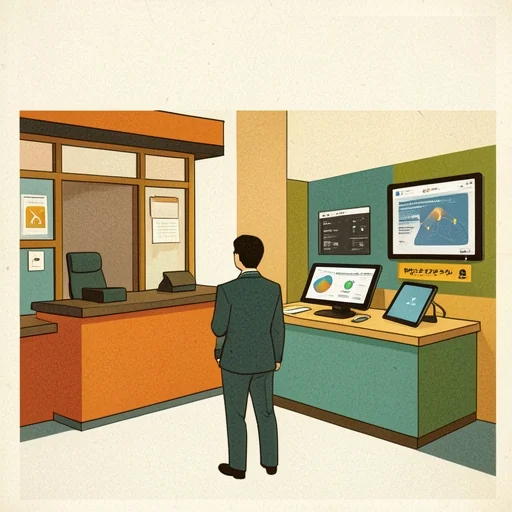
Local marketing keeps finding new ways to meet customers where they are. This article looks at Apple Maps ads and AI product demos and explains how small businesses can use both to drive visits and sales. The piece is about Apple Maps ads. It explains how interactive AI demos from Supademo, Navattic, and Consensus can fit into a local digital strategy.
Why Apple Maps ads matter for local discovery
Apple launched Apple Maps ads in August 2026, and the feature puts paid placements inside the native Maps app on iPhone, iPad, and Mac. Businesses can appear as a suggested nearby place when someone opens the app, or as a sponsored search result at the top of relevant lists, both marked to users. Apple lets advertisers set a monthly maximum budget and choose between automated bidding called “Maximum Engagements” or a manual bidding mode; the automated option charges on a cost-per-tap model.
Apple’s audience targeting uses contextual signals like location and recent searches to show ads to people likely to use a service. All Apple Maps users are opted in to receive advertising. Openings in the app mean high intent. A Maps visit often signals a customer is ready to go. One marketing executive reports that Apple Maps traffic converts at about 2X the rate of organic visits from Google overall. The platform highlights that consumers heavily favor supporting small businesses, with 95% of consumers saying it is important to help local businesses.
Apple Maps ads are designed to reach customers inside the app before they search.
Claiming and optimizing an Apple Maps listing starts with an Apple Business account, then verifying locations and completing profiles. The process is free and necessary: a complete listing supports both the suggested placement and sponsored search result. Creative options include up to three images or a logo and optional promotional text to highlight offers. These choices shape whether a tap becomes a store visit or a phone call.
How AI product demos raise conversion rates in local and B2B sales
Interactive AI demos make product experiences feel personal, and that matters for local services too. AI demos that personalize content can increase stakeholder discovery by 50%, that is one in two more decision-makers notice the product, and they can boost closed deals by 30%, that is nearly one third more sales. Tools like Consensus automate demo creation and surface real-time engagement metrics so salespeople adjust follow-ups. Personalized demos drive higher conversion rates.
Platforms vary by focus: Supademo promises to cut demo production time by up to 75%, making rapid iteration possible. Navattic builds interactive HTML/CSS demos without coding; Walnut focuses on personalization at scale and mobile compatibility. Many tools also integrate with CRM systems so demo signals translate to actionable leads. Real-time analytics show which sections viewers spent time on, which helps prioritize follow-up conversations for local business owners and their marketing teams.
AI demos collect engagement signals that sales teams can act on in real time.
A local restaurant or a gym pitching corporate wellness programs can use a short interactive demo that adapts to a viewer’s role. The demo can make the offering clearer than a static PDF. Demo pricing ranges widely. Some services begin at about $27 per month. Enterprise setups can exceed $10,000 annually, while one platform lists prices starting at about $40 per user monthly. Know the cost and expected return before committing.
Where Apple Maps ads and AI demos meet in a marketing plan
Apple Maps ads bring high-intent local users to a business listing. AI demos turn interest into deeper understanding and closed deals. Use Maps ads to capture foot-traffic intent and then use AI-driven inbound content for higher-value follow-ups. For example, an Apple Maps sponsored listing can promote a limited offer in promotional text; users who tap can be sent a demo link or follow-up email that contains a tailored demo or a guided tour of services. Maps ads can feed qualified leads into demo workflows.
The practical chain looks like this. Businesses should claim listings and run targeted Apple Maps ads to prioritize visibility and collect taps and contact actions. Marketers then route those leads into a demo or asynchronous interactive tour built with Navattic or Storylane. Supademo or Consensus can automate personalized demos for different buyer types. The demo analytics provide the same hot signals marketers use to refine Maps bidding and copy. A 2X conversion lift on Maps combined with a 30% higher close rate from demos can change campaign economics quickly. You must track referrals and onsite conversions properly to realize that change.
What to test first and what remains uncertain
Start small and measure two things: direct map-driven visits and engagement signals from demos. Test a low monthly budget in Apple Maps while running a short interactive demo for users who tap a promoted link. Start with a controlled budget and measurable goals. Track which demo steps correlate with phone calls or bookings and adjust ad creative and bid strategy accordingly.
Apple Maps has limited historical cost data since its launch in August 2026. AI demo ROI varies with price tier and use case. Demo tools report production gains, Supademo lists up to 75% faster creation, but each business must validate that speed turns into booked customers. Over the next quarter, watch how auction prices settle on Apple Maps and whether demo platforms keep improving automation and CRM integration. Final success will come from real tests: run them, measure the conversion chain, and then scale what grows both foot traffic and closed revenue.
Sources:
Related articles
-
 Local marketing: linking programmatic DOOH to store sales Local marketing has shifted from flyers and signage to coordinated digital paths that end at a street-level door. Read article
 -
 Voice AI and Short-Form Video Playbook for Local Businesses Local marketing is splitting its energy between two hard technical problems: producing persuasive short-form video and handling every inbound customer… Read article
 -
 Scaling local experiments: how DSW’s The Edit and Salesforce-Google Cloud tools can turn four pilots into repeatable growth Repeatable growth: Local retail has been under pressure to prove that small-format experiments pay off. Read article
 -
 Authentic Communication 2026: 3 Changes to Boost Local Business Read on to apply the principle of authentic communication 2026 to your store, restaurant, clinic or small business. Read article